How to Teach Personal Hygiene in Clear Daily Steps
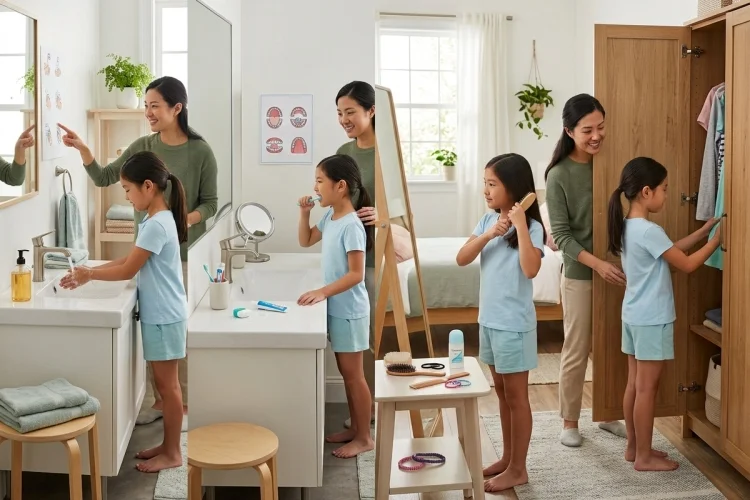
How to Teach Personal Hygiene in Clear Daily Steps

“Go get ready” sounds like one simple instruction. In reality, it might mean washing, brushing teeth, using deodorant when appropriate, combing hair, changing clothes, and remembering several small steps in the correct order. For some learners, that is a lot to organize. Learning how to teach personal hygiene in clear daily steps means taking large … Read more

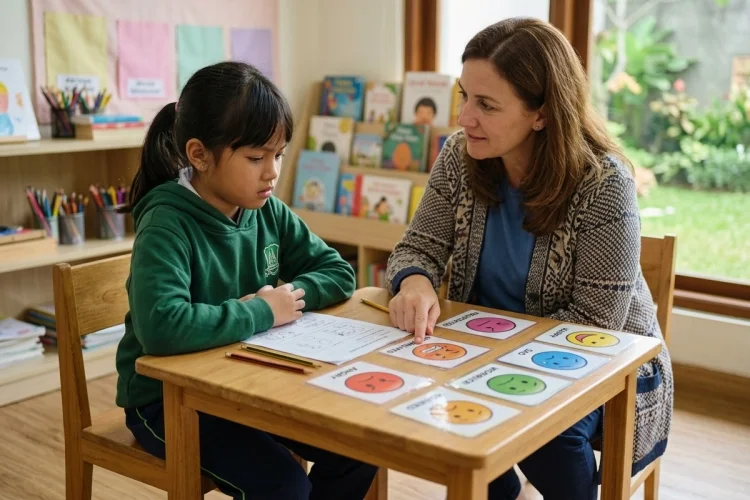
How Visual Supports Improve Everyday Communication

How Visual Supports Improve Everyday Communication

Imagine being told five instructions in a row, understanding each word, and then forgetting what came first. Or knowing exactly what you want but struggling to find the words to explain it. For some learners, everyday communication can feel like that. Spoken language moves quickly, disappears once it has been said, and may require a … Read more

Helping Learners Identify and Express Their Feelings

Helping Learners Identify and Express Their Feelings

Imagine a learner becoming upset during a lesson and saying only, “I’m angry.” They might actually be frustrated because the task feels difficult, embarrassed about making a mistake, worried about what classmates think, or simply overwhelmed. Being able to tell the difference is an important life skill. Helping learners identify and express their feelings gives … Read more

How to Teach Greetings and Everyday Social Exchanges

How to Teach Greetings and Everyday Social Exchanges

Saying “hello” sounds simple, but a successful social exchange actually involves several skills at once. A learner may need to notice another person, choose an appropriate greeting, wait for a response, answer a question, take conversational turns, and know when the interaction is finished. For some learners, these unwritten social rules develop naturally. Others benefit … Read more

How to Teach Active Listening in Simple Daily Steps

How to Teach Active Listening in Simple Daily Steps

Listening sounds simple until you actually try to do it well. A person can hear every word someone says while thinking about something else, planning a reply, or waiting impatiently for their turn to speak. Active listening is different. It involves paying attention, trying to understand the speaker’s message, and responding in a way that … Read more

How to Build Everyday Language Skills Through Practice

How to Build Everyday Language Skills Through Practice

Language skills do not grow only during formal lessons. Some of the best opportunities to practice communication happen while making breakfast, getting ready for school, shopping, playing games, reading a story, or simply talking about the day. That is good news because improving communication does not always require complicated worksheets or hours of structured practice. … Read more

Visual Schedules That Support Classroom Independence

Visual Schedules That Support Classroom Independence

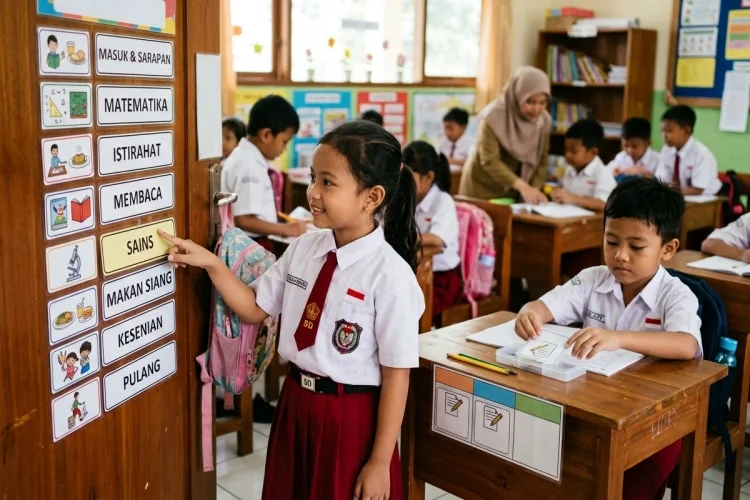
Think about how often students hear instructions during a normal school day: “Get your book,” “Finish this first,” “Put your things away,” “Go to the next activity,” and “Remember what happens after lunch.” For some learners, keeping track of all those verbal directions can be difficult. They may understand each instruction individually but struggle to … Read more

How to Create an Individual Learning Plan That Works

How to Create an Individual Learning Plan That Works

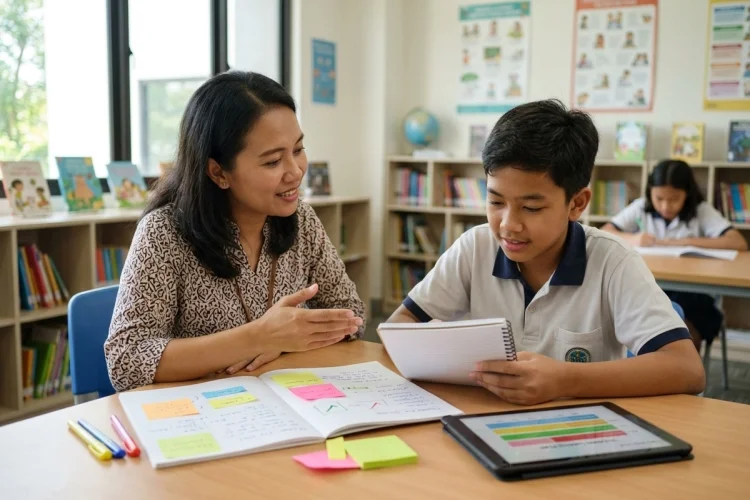
An Individual Learning Plan can look impressive on paper and still make almost no difference in the classroom. The problem usually is not the idea behind the plan. It is how the plan is created and used. If goals are vague, strategies are unrealistic, or nobody checks progress, an ILP can quickly become another document … Read more

How to Teach Basic Maths Skills Using Real Objects

How to Teach Basic Maths Skills Using Real Objects

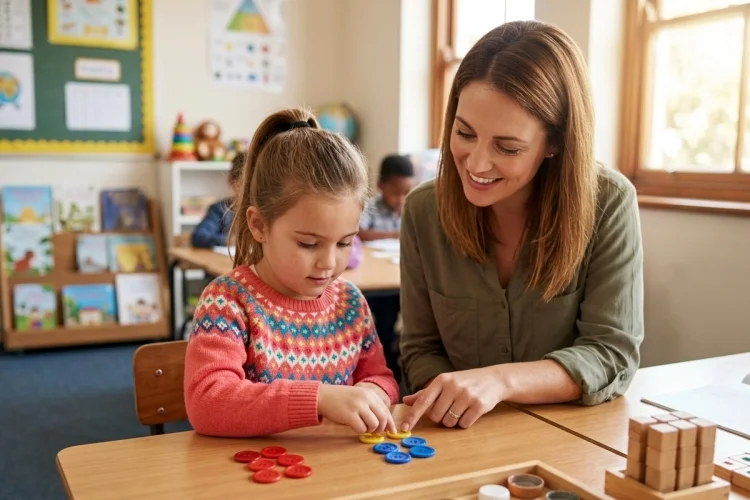
For many learners, numbers such as 7, 15, or 42 can feel surprisingly abstract. A teacher may explain that 4 + 3 = 7 several times, but the idea often becomes much clearer when a learner can actually place four buttons on a table, add three more, and count the total. That is the basic … Read more

How to Teach Reading Skills to Learners with Mild ID

How to Teach Reading Skills to Learners with Mild ID

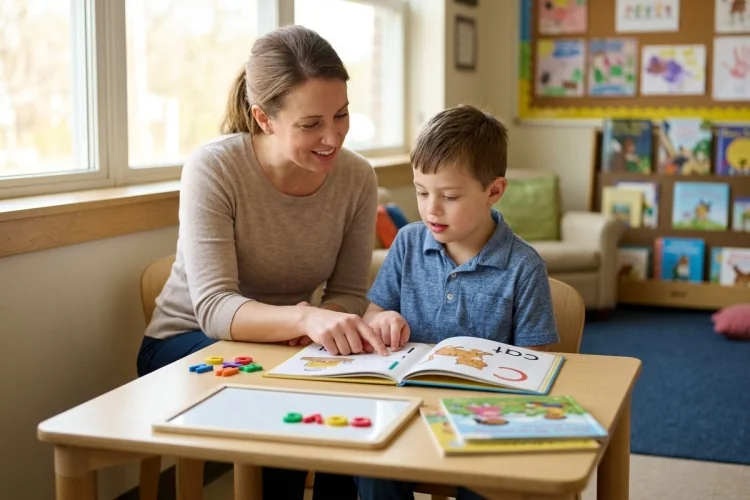
Learning to read can take more time for a learner with mild intellectual disability, but slower progress does not mean meaningful literacy is out of reach. With clear instruction, plenty of practice, and the right level of support, many learners with Mild ID can develop useful reading skills that improve both academic learning and everyday … Read more